Yala’s story as a protected reserve stretches back more than a century.
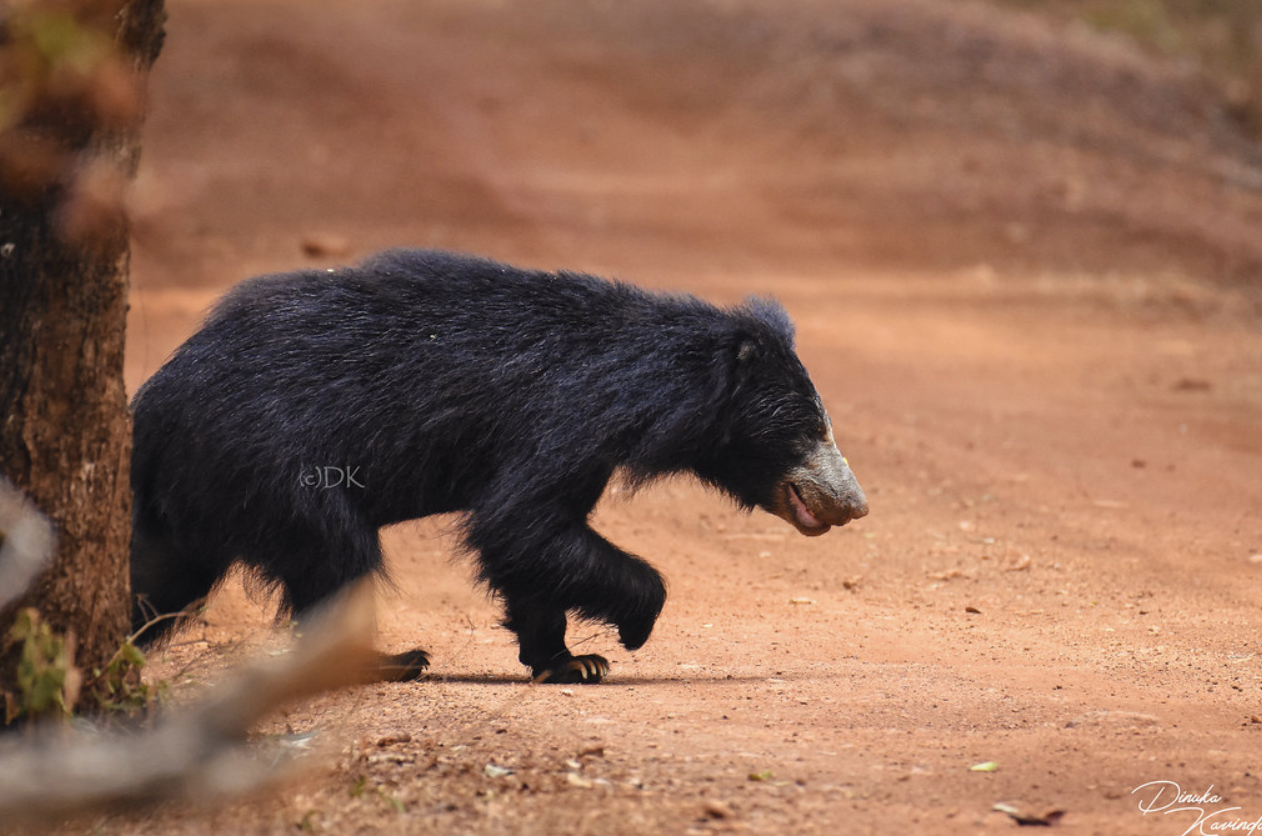
Home to a diverse array of flora and fauna, including many endangered species such as elephants, leopards, and a variety of bird species, the area was first declared a wildlife sanctuary in 1900, and upgraded to a national park in 1938.
In the 1970s and 1980s, Yala suffered from poaching and habitat loss, but sustained conservation work by the Department of Wildlife Conservation and NGOs has helped restore much of its balance.
In 2004, the Indian Ocean tsunami devastated the park’s coastal stretch; tragically, both wildlife and people were lost. Two decades on, Yala has recovered and remains one of the most rewarding places in Sri Lanka, and Asia to experience true wilderness.
The park is split into five blocks; Block I (often called Zone 1) is the most accessible and wildlife-rich, while Blocks III–V are wilder and less visited.
Not only is Yala National Park an incredible place to see wild animals but it's also rich in cultural history with well-preserved ancient temples, including Sithulpahuwa and Magul Vihara, situated within the park. Pretty damn cool if you ask us.
YALA NATIONAL PARK SAFARI | WHAT TO EXPECT
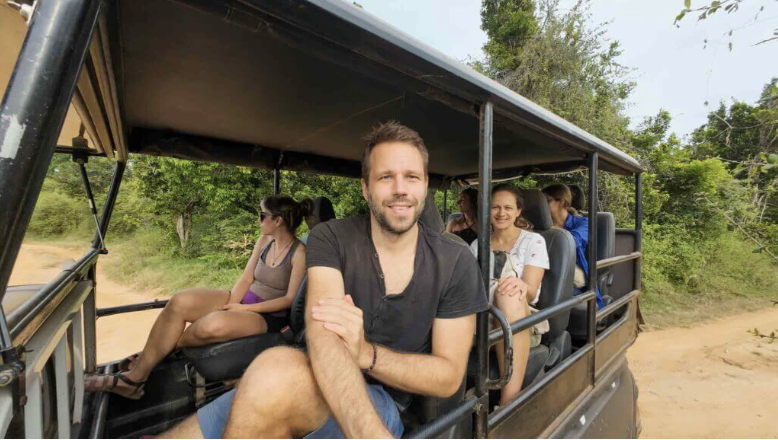
Our Yala safari began at 4 am outside our Back of Beyond camp near Tissamaharama, coffee in hand, headlights cutting through the predawn mist. By sunrise, we were rumbling through.
Joining a long cue of many other jeeps waiting for permits, we managed a short nap before the heavy diesel engine shook into gear and we made our way along the ochre tracks of Block I, engines low, eyes peeled.
The first thing we noticed was the flora - it felt like the plains of Africa - flat, with spindly trees and scattered grassland as far as the eye could see. The air was humid, and the cloud cover was low and grey - one of the negatives of visiting during the NE monsoon season. Alas, it was beautifully green.
Our first animal sightings were not exactly what we came to see, but wonderful nonetheless - a range of migratory birds, water buffalo, and spotted dear.
Then came the radio crackle: leopard sighted.
Our driver and guide made a quick dash east, and minutes later, our guide pointed to a distant granite boulder where a leopard lay sprawled in the soft light - just visible, yet electrifying. We stayed quietly for half an hour, cameras forgotten, watching as more jeeps gathered.
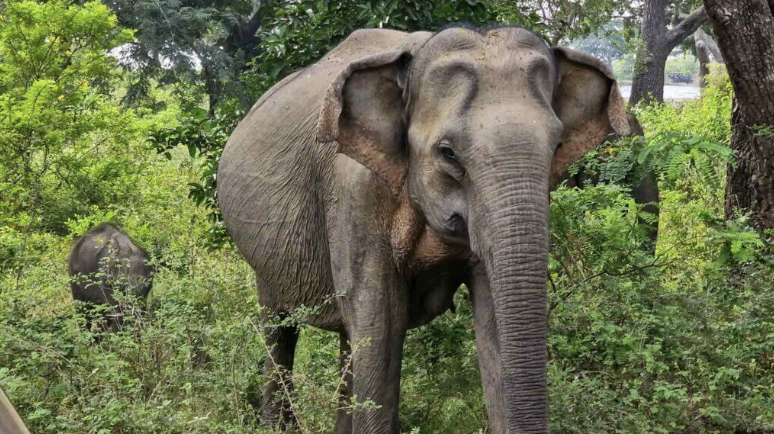
Escaping the crush, we set off on our own - this time in search of elephants. We drove the windy, dirt roads, encountering more buffalo, crocodiles and other small fauna before we stumbled across an elephant family at a large watering hole.
Overall, the safari was a wonderful experience, and the incredible elephant encounter somewhat limited our disappointment in not seeing a leopard up close.